
Historically, the average USMLE Step 1 score by specialty was the single most critical filter for residency program directors, with competitive fields like Dermatology requiring a 248+ and Primary Care often accepting scores around 220-230. However, with the transition to Pass/Fail in 2022, the focus has shifted dramatically toward Step 2 CK scores and holistic application reviews.
Navigating residency applications today means understanding historical data to gauge competitiveness while pivoting your strategy toward the new metrics that matter. Whether you are an allopathic senior or an International Medical Graduate (IMG), knowing where you stand is the first step in securing your future medical career.

The USMLE Step 1 is the first of three exams for medical licensure in the United States. It assesses your understanding of important concepts of the sciences basic to the practice of medicine, with special emphasis on principles and mechanisms underlying health, disease, and modes of therapy.
In January 2022, the USMLE Management Committee changed Step 1 reporting from a 3-digit score to a simple Pass/Fail outcome. This major change was designed to reduce “Step 1 mania” and improve student well-being, but it has fundamentally altered how residency programs screen applicants.

While you won’t receive a 3-digit score today, analyzing historical data from the AAMC Charting the Outcomes in the Match reports helps you understand the inherent competitiveness of different fields.
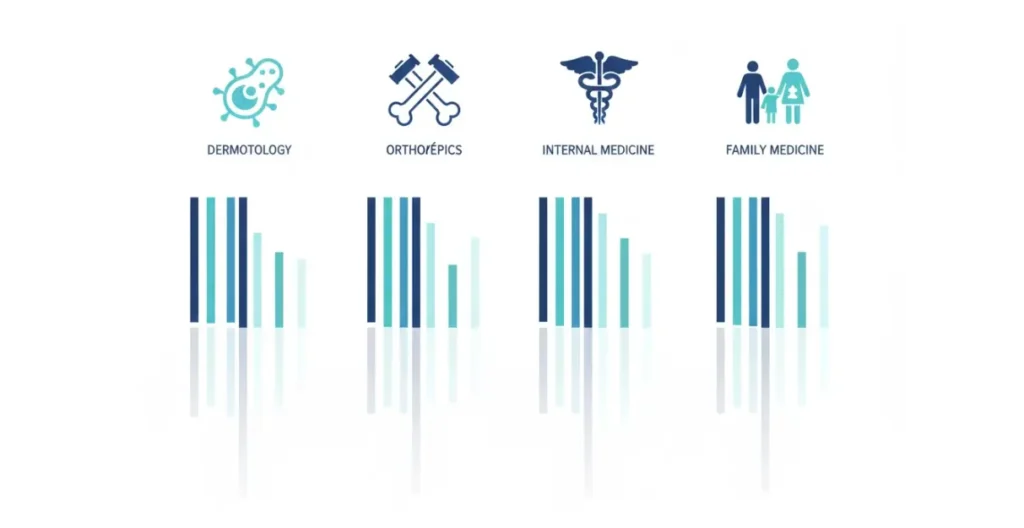
Historically, competitive specialties demanded high scores. Here is a snapshot of previous average scores for matched US MD seniors:
For Non-US IMGs, the bar was typically higher to overcome bias. Matched IMGs often needed scores 5-10 points higher than their US counterparts in competitive fields, or solid scores (230+) to match into Internal Medicine or Pathology.
With Step 1 becoming Pass/Fail, program directors now rely heavily on USMLE Step 2 CK scores. This exam focuses on clinical knowledge and is now the primary numerical data point used to filter applications.
Most residency programs have shifted their numerical cut-offs to Step 2 CK.
Because Step 1 no longer provides a stratified metric, Step 2 CK is the only standardized way to compare applicants from different medical schools. A strong performance here correlates with a higher likelihood of passing boards and handling clinical scenarios effectively.
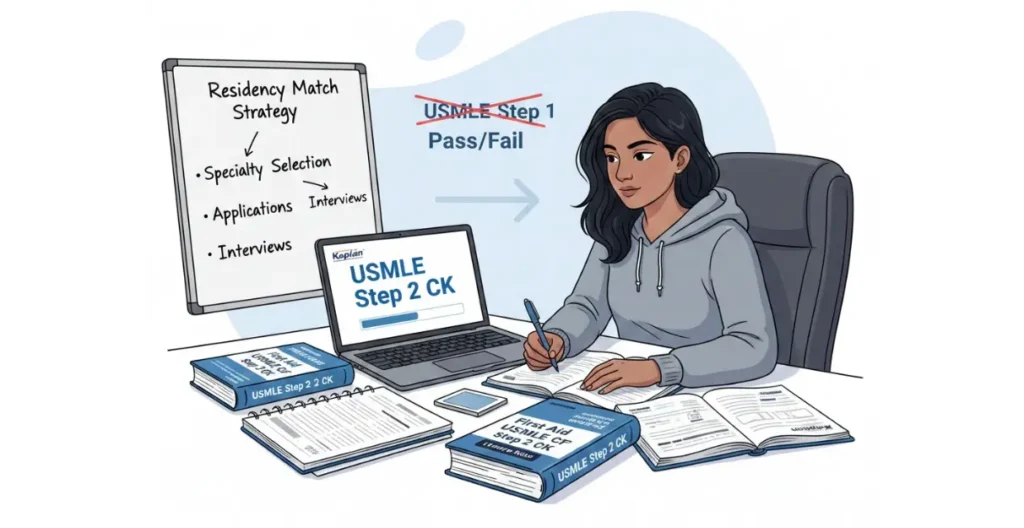
Since you cannot rely on a high Step 1 score to distinguish yourself, your preparation for Step 2 CK must be rigorous.
With metrics holding less weight, the “soft” parts of your application must shine.
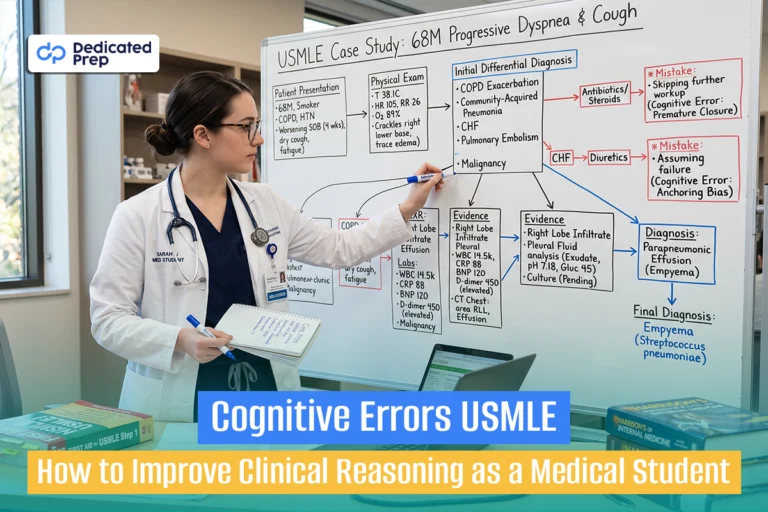
The era of obsessing over the average USMLE Step 1 score is over, but the need for excellence remains. While the pressure has shifted from Step 1 to Step 2 CK, the fundamental goal of medical education competence and care remains the same. Focus on building a well-rounded application that highlights your clinical acumen, research interests, and dedication to your future patients.
Does a “Pass” on Step 1 look bad compared to a numerical score?
No. Since January 2022, almost all applicants have a Pass/Fail result. Program directors view a “Pass” as meeting the requirement. However, a “Fail” is a significant red flag that must be explained.
What is a good Step 2 CK score for Internal Medicine?
For US MD seniors, a score between 240 and 250 is comfortable for most academic programs. For IMGs, aiming for 250+ significantly increases the chances of matching into university-based programs.
How do residency programs filter applications now?
They typically use a combination of:
Step 2 CK Score: Using a minimum cutoff (e.g., >230).
Medical School Performance: MSPE letters and class rank.
Holistic Review: Commitment to specialty, leadership, and volunteer experiences.
Is Step 3 necessary for residency matching?
For US seniors, usually no. However, for IMGs, passing Step 3 before residency applications can be a major advantage. It reassures programs that you will not have visa issues (H1B requires Step 3) and that you are ready for licensure.
Can I match into a competitive specialty with a low Step 2 score?
It is difficult but not impossible. You would need to compensate heavily with exceptional research, networking, strong advocacy from mentors, or by applying to programs in less competitive geographic locations.